When Typhoon Tino (international name: Kalmaegi) hit the Philippines in November, it left a deep mark on the nation. In Cebu Province, Northern Cebu received much of its destruction. Floodwaters surged rapidly, damaging homes, swept away flood-control structures and vehicles making them unusable, and causing businesses to suspend and stop operations. Its strong winds and torrential rains reshaped landscapes, disrupted livelihoods, and tested the resilience of families.
But beyond the scars it left, Tino revealed something deeper – an unwavering spirit of solidarity. In the midst of it all, communities found strength in one another. People who are victims themselves stepped forward to help others, embodying one of the Filipino values – Bayanihan.
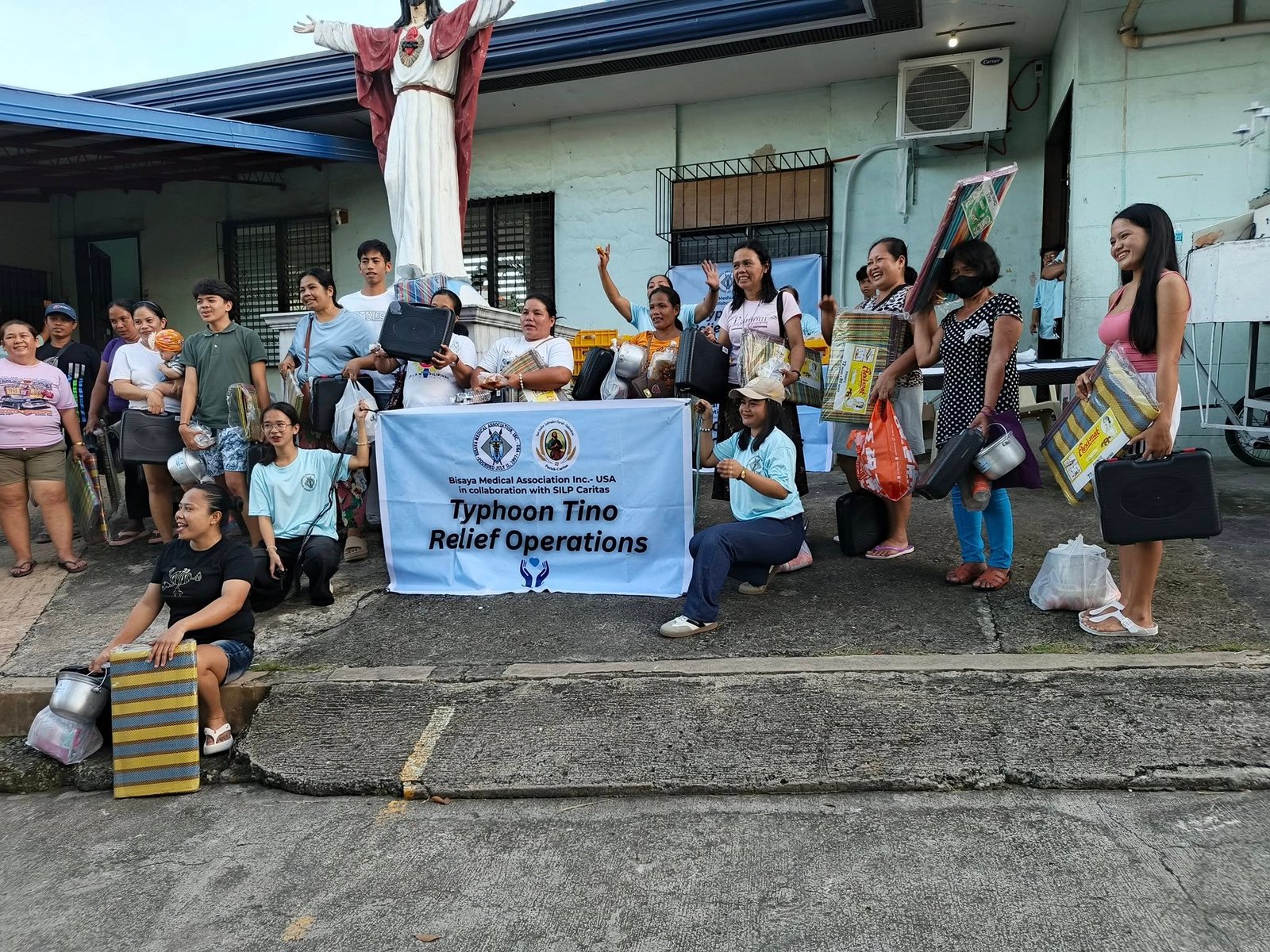
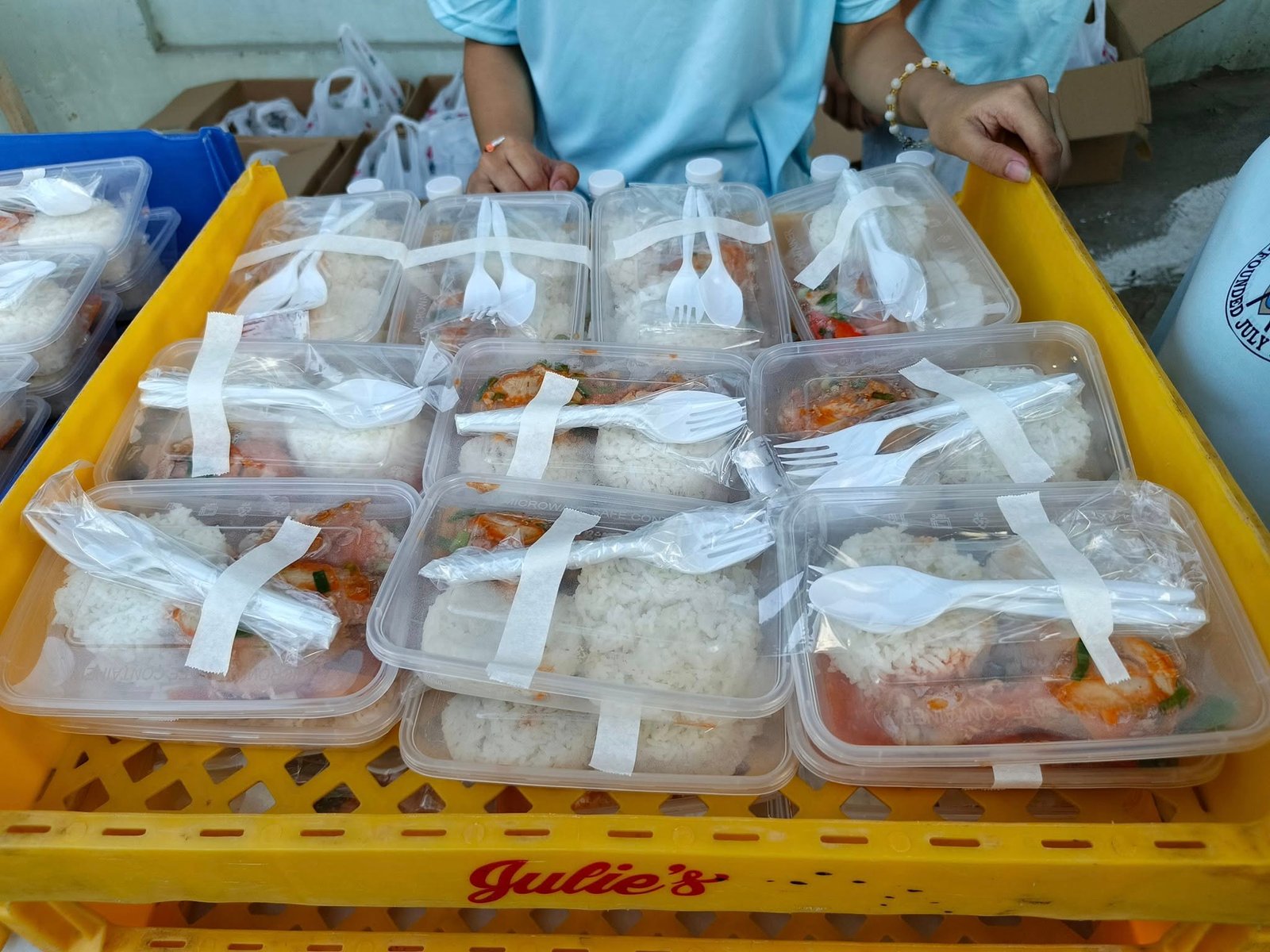
In San Isidro Labrador Parish in Talamban, the Parish Caritas, together with the Bisaya Medical Association (BMA), upon recognizing the urgency of the situation, called on parishioners, partner organizations, and generous individuals to extend assistance. Donations then poured in – food items, clothing (both used and new), slippers, cooking utensils, sleeping mats, and other essential goods needed by families who had lost nearly everything. A feeding program was also organized, offering meals and comfort to those who had endured days of uncertainty and displacement.
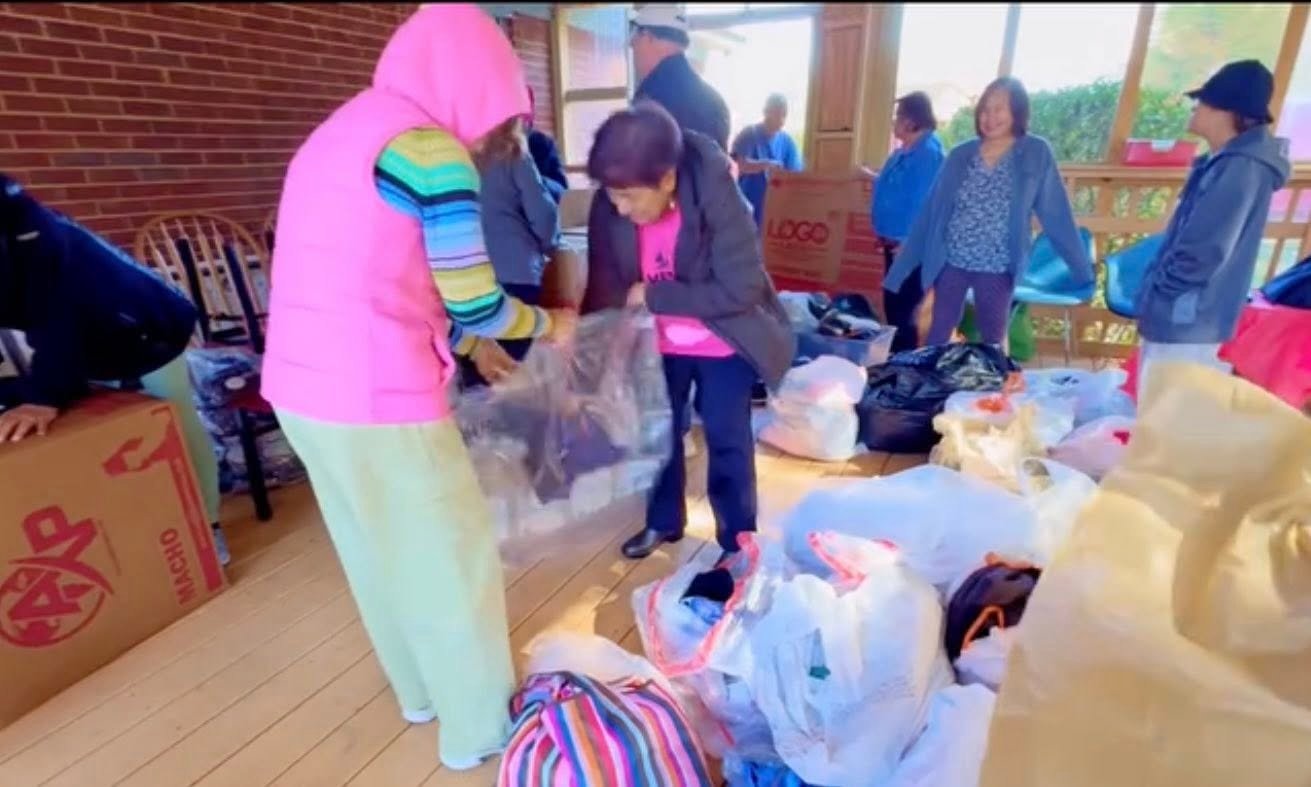
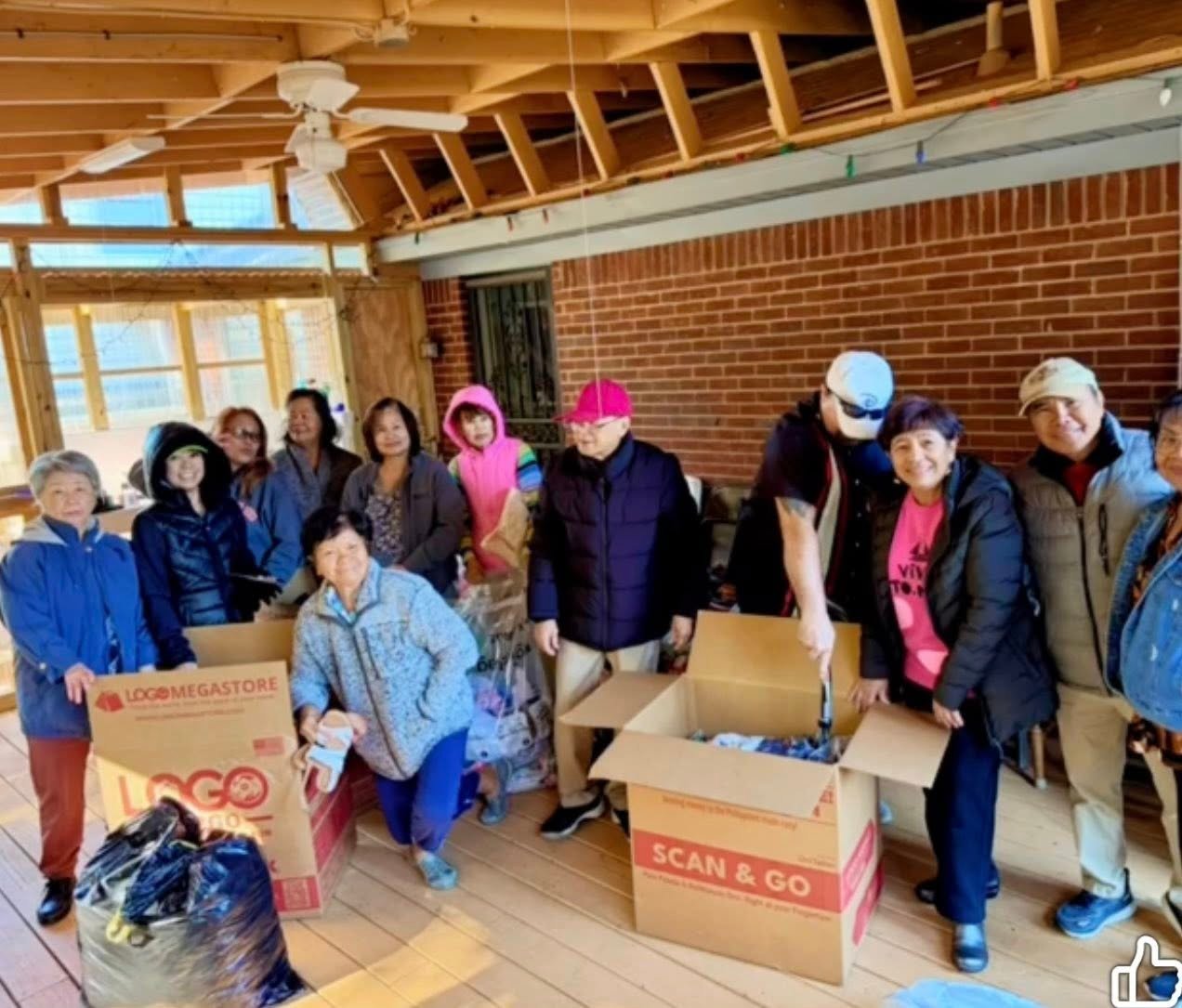
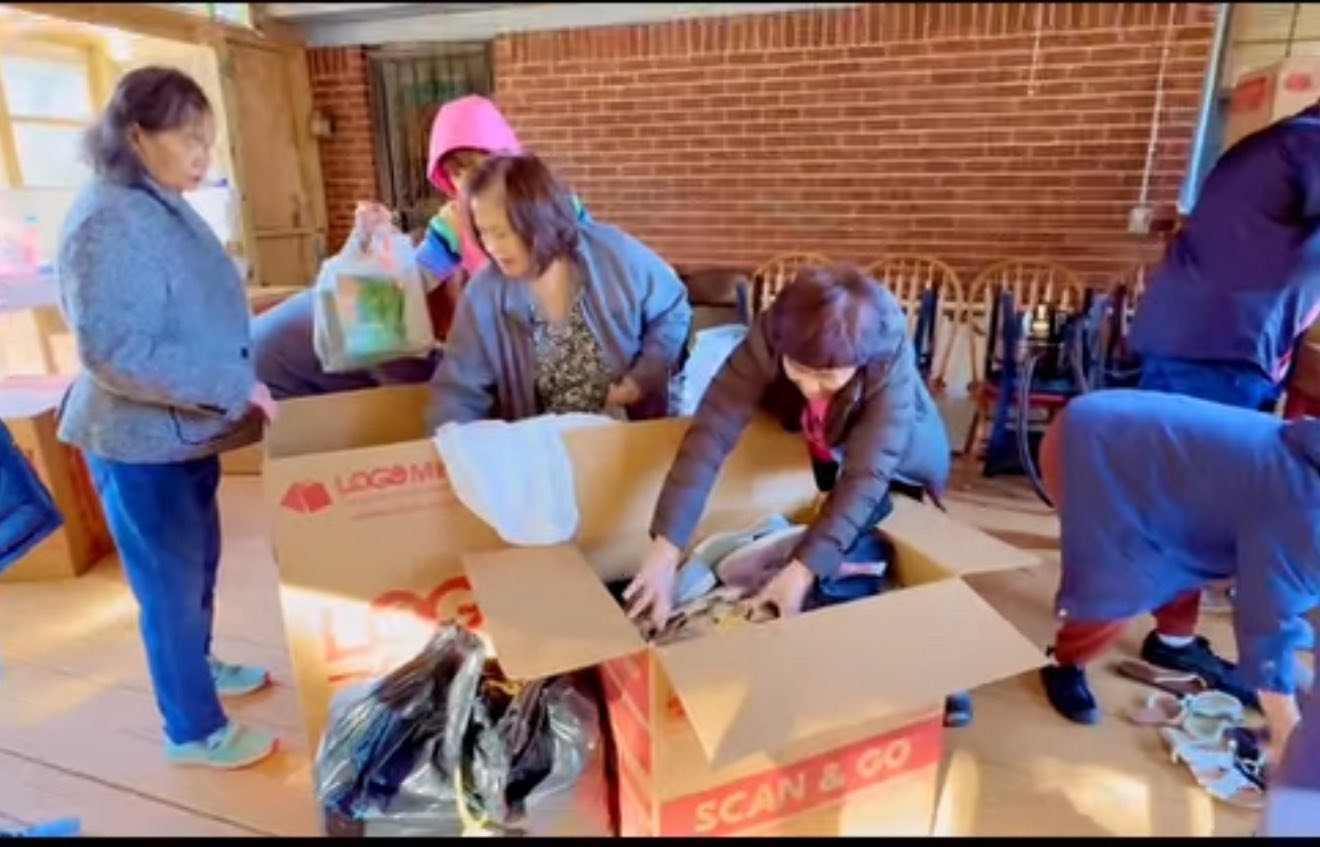
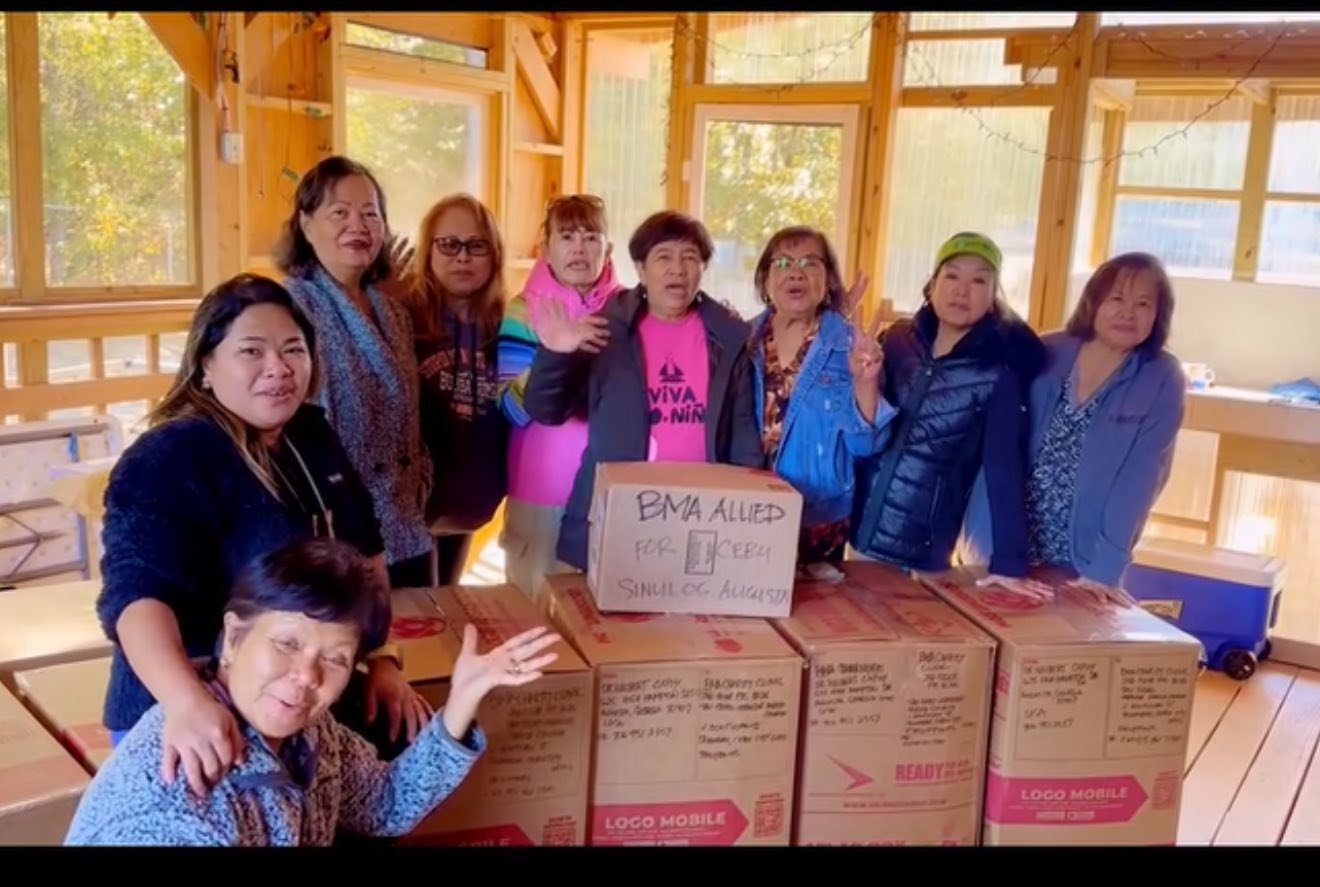
The spirit of compassion did not stop at local borders. The BMA community in the United States also responded with remarkable generosity. Moved by the reports of destruction in Cebu, BMA rallied friends, colleagues, and fellow Filipinos abroad to contribute. Clothing and other essentials were gathered, carefully packed into boxes, and prepared for shipment to Talamban.
For many donors, this effort was more than an act of charity – it was a way of staying connected to their homeland and supporting communities they still consider family.
Although thousands of miles apart, the Parish Caritas and the Bisaya Medical Association stood firmly together. The distance did not hinder their mission to help those who are underserved. Communication channels remained open, and coordination was constant to make the aids reach those who are in dire need.
Their collaboration exemplifies how modern partnerships – rooted in shared values and compassion – can cross borders and countries. Typhoon Tino may have disrupted lives and landscapes, but it also illuminated the collective strength of communities determined to uplift one another.
Recovery will definitely take a long time. Aside from building homes, emotional states must be restored as well. Yet, the response of local communities and church groups such as the Parish Caritas in partnership with overseas communities like the BMA Inc. USA, continue to support efforts of rehabilitation.